Commercial Excavation in Boise: A Practical Guide to Site Prep, Utilities, and Getting Build-Ready Ground

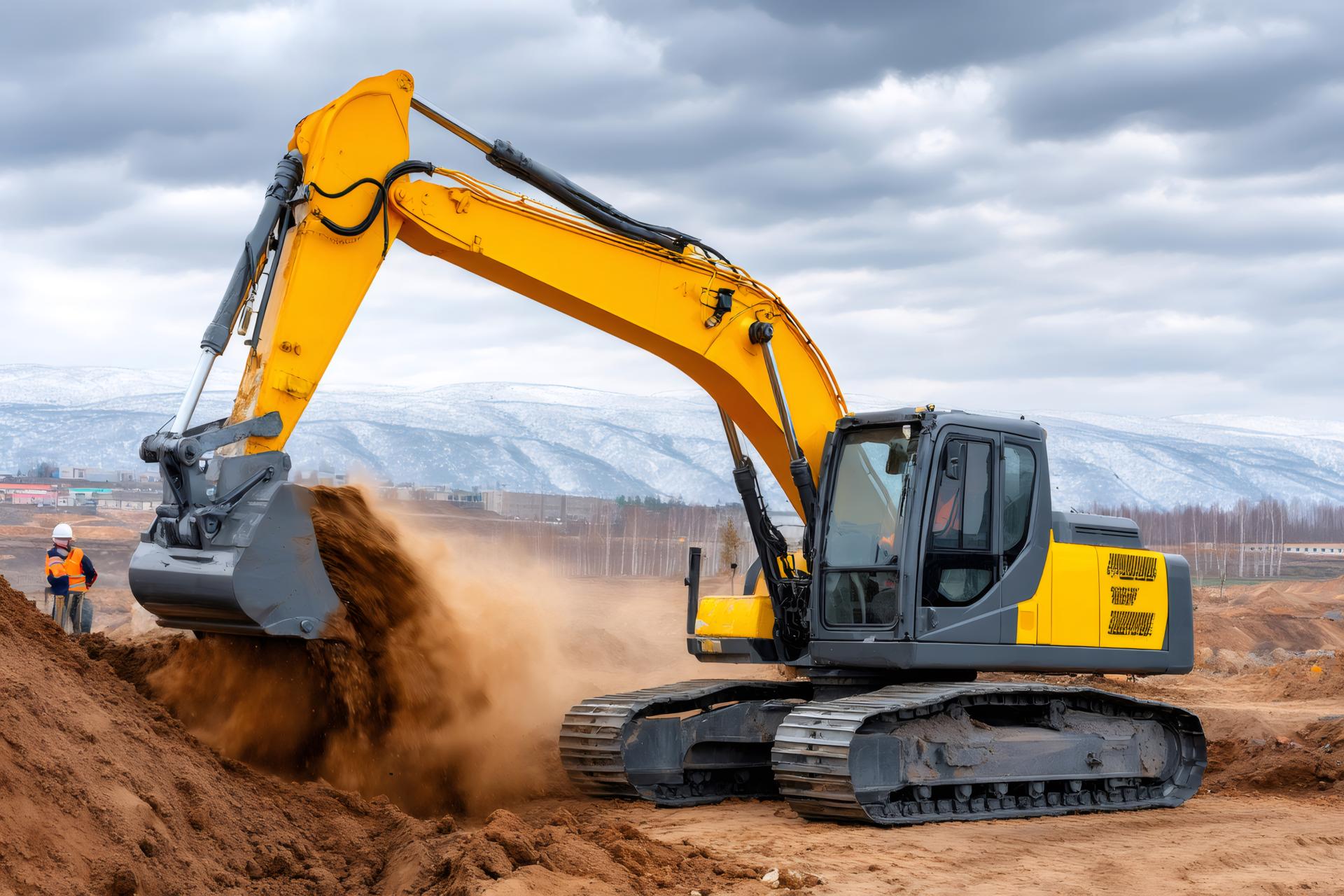
Excavator digging earth and creating dust on construction site

What “good excavation” looks like before concrete, asphalt, and buildings ever show up

If you’re planning a small commercial build, tenant improvement sitework, or a property upgrade in Boise and the Treasure Valley, excavation is one of the earliest (and most schedule-sensitive) phases. The right approach protects your utilities, keeps water moving where it should, and sets up your foundation, flatwork, and paving for long-term performance—especially in a climate with seasonal freeze-thaw. This guide breaks down the commercial excavation process in plain language so you can compare contractors, understand timelines, and avoid the most common “hidden” delays.

Local note for Boise-area projects: excavation scope often overlaps with grading/drainage planning, utility trenching, demolition, retaining walls, and concrete preparation. Working with one team that can coordinate these steps can reduce handoffs and surprises. If you’d like to see the kinds of projects this includes, visit the C3 Groundworks Gallery.

1) What counts as “commercial excavation” (and what’s usually included)

“Commercial excavation” in Boise can mean anything from preparing a pad for a small office or shop to trenching for new utilities on a multi-tenant property. While every site is different, many commercial projects include a combination of:

Common sitework elements
Site clearing & grading
Removing vegetation/debris, shaping the site, managing topsoil, establishing drainage paths, and preparing for compaction.
Foundation excavation & subgrade prep
Excavating to design elevations, creating a stable subgrade, and preparing for footings/stem walls or slab-on-grade.
Utility trenching & hookups
Trenching for water, sewer, storm lines, electrical conduit, gas, telecom, irrigation, and coordinating connections.
Demolition & removal (when needed)
Removing existing flatwork, small structures, or obstructions to make room for new construction.

2) The step-by-step excavation process (what should happen on a well-run job)

Pre-construction planning
Expect a review of site access, spoils placement/hauling plan, drainage intent, utility coordination, and what needs to be protected (sidewalks, landscaping, neighboring improvements, fences, and existing structures).
 
Utility locates & safe digging setup
In Idaho, contacting 811 prior to excavation is a key safety step. The Idaho Damage Prevention Board’s guidance emphasizes contacting the one-call system ahead of digging and pre-marking the proposed excavation path (often called “white lining”) so locators know where to mark. 
Important practical point for commercial properties: 811 markings are typically for participating utility owners’ facilities. Many sites also have private utilities on the customer side of meters (for example, private power runs to signs, site lighting, or outbuildings). A jobsite plan should account for that risk and discuss how private lines will be identified.
 
Clearing, stripping, and rough grading
This phase removes unsuitable materials, manages topsoil, and shapes the site close to target elevations. Good crews keep drainage in mind from day one so you don’t create unintended ponding or send runoff where it doesn’t belong.
 
Trenching, bedding, and backfill (utilities)
Utility trenching is where careful grade control and compaction matter most. Poor backfill practices can show up later as settlement in sidewalks, drive lanes, or slabs. If your project includes new service connections, ensure the plan covers coordination, inspections, and restoration.
 
Final grading & build-ready handoff
Final grading isn’t “just smoothing it out.” It’s verifying elevations, ensuring positive drainage, preparing subgrade for concrete/asphalt, and leaving the site clean and safe for the next trade.

3) What drives excavation timelines (without talking dollar amounts)

You’ll see excavation schedules vary because “excavation” is really a bundle of moving parts. When comparing contractors for commercial excavation in Boise, ask how each of these will be handled:

Permits, inspections, and approvals
Different scopes require different reviews. The schedule impact is often about coordination and documentation as much as digging.
Utility conflicts and unknowns
Existing sites may have undocumented lines or changes from older remodels. A plan for verifying utilities reduces “stop work” moments.
Soils, water, and drainage
Wet conditions, groundwater, or unstable subgrade can change the approach. Good contractors communicate options clearly when conditions differ from expectations.
Access and staging constraints
Tight sites, traffic control, and active businesses nearby can add steps and sequencing requirements.

Quick comparison table: light commercial sitework vs. lot development

Typical scope differences (high-level)
Every project is unique—this is meant to help you ask better questions.
Light commercial excavation (pads, small additions, site upgrades)
Focus on targeted areas: foundation excavation, trenching for specific services, small retaining needs, concrete subgrade prep, and tying into existing grades and drainage.
Lot development (build-ready land)
Broader coordination: clearing and mass grading, compaction strategy, utility planning across the lot, driveway/pad preparation, drainage routes, and sequencing to support multiple future trades. Learn more about build-ready preparation on the Lot Development page.

Did you know? Fast facts that prevent delays

811 timing matters
Idaho’s damage-prevention guidance highlights requesting locations at least (and not more than ten business days) before excavation, plus pre-marking the dig path in white so locators can respond accurately. 
Septic work is regulated through health districts
In Idaho, septic permitting and inspections are administered by local public health districts under an agreement with DEQ. If your commercial project is on a septic system (or you’re improving a rural property), plan for site evaluation, permitting, and inspection steps. 
Test holes can be seasonally sensitive
Central District Health notes that test holes can be dug year-round, but significant snow cover can affect whether a site evaluation can be completed immediately. That’s a good reason to plan ahead if you’re scheduling work across winter and early spring. 

Boise & Treasure Valley angle: what local property owners should plan for

Boise-area projects often combine fast growth, tight scheduling, and mixed site conditions (older properties, remodel histories, and utility corridors). Here are practical planning tips that help excavation stay predictable:

Ask how the crew will protect neighboring improvements
Especially on infill or active commercial sites: access routes, fencing, staging, and daily cleanup should be part of the plan.
Confirm who’s coordinating locates and private-utility verification
The best time to solve utility uncertainty is before the excavator mobilizes—not after the trench is open.
Tie excavation decisions to what comes next
Subgrade prep, compaction, and drainage affect foundations, slabs, sidewalks, and drive lanes. If your scope includes concrete, align excavation and concrete scheduling from the start.

Need a licensed, bonded, and insured excavation contractor in Boise?

C3 Groundworks supports residential and small commercial projects across the Treasure Valley—from site clearing and grading to utility trenching, demolition, retaining walls, and concrete-ready excavation. If you want a clear scope, straightforward communication, and a plan that matches your schedule, reach out to talk through your project.

Request a Site Visit / Quote

Prefer to learn more first? Visit About C3 Groundworks or browse Our Services.

FAQ: Commercial excavation in Boise

How early should I schedule excavation for a small commercial project?
Early enough to account for utility locates, any required permits/inspections, and material or hauling logistics. A good contractor can sequence excavation to support the next trade without leaving the site exposed longer than necessary.
Do I really need to call 811 if we “already know” where utilities are?
Yes—utility locations change, records can be incomplete, and depth is often uncertain. Idaho’s damage-prevention guidance calls for contacting the one-call system ahead of excavation and pre-marking the proposed dig path in white. 
What should I ask an excavation contractor before signing?
Ask about licensing/insurance, their location and safety process, who coordinates inspections, how they handle drainage and compaction, what restoration is included (backfill, gravel base, rough grade, cleanup), and how change conditions are communicated.
Can excavation and concrete be coordinated by the same crew?
Often, yes—especially for slabs, drive approaches, RV pads, or walkways. When excavation and concrete prep are aligned, subgrade, reinforcement planning, and drainage details are easier to keep consistent. Related services: Driveways & Walkways and Driveway & RV Pad Installation.
If my site is rural, who handles septic permits and inspections?
In Idaho, septic permits and inspections are handled through local public health districts (with DEQ oversight and coordination). Plan for site evaluation, permitting, installation by a licensed installer, and inspection steps.  If septic is part of your project scope, see Septic System Installation.
More common questions
You can also visit the site-wide FAQ page for quick answers about scheduling, process, and what to expect.

Glossary (plain-English)

Compaction
Densifying soil or aggregate so it can better support slabs, pavement, and structures, and reduce future settlement.
Subgrade
The prepared ground surface beneath a slab, footing, driveway, or base material—critical for performance and drainage.
Rough grade vs. final grade
Rough grade gets the site close to design elevations; final grade fine-tunes elevations and drainage so the next trade can build accurately.
White lining
Marking your proposed excavation path with white paint/markings so 811 locators know where to place utility marks. 

Accessibility Toolbar

Scroll to Top