
Septic System Installation Cost in Boise: What Really Drives Price, Timeline, and Long Term Reliability

septic system installation cost boise

A clear, Boise-area guide for land buyers and rural homeowners who want fewer surprises

Septic pricing around Boise is rarely “one number.” Two properties a few miles apart can have very different requirements based on soil type, slope, groundwater considerations, access for equipment, and the kind of system the site can support. If you are trying to plan a build, compare land parcels, or replace an aging system, the best way to protect your budget is to understand what actually affects septic scope, permitting steps, and the excavation work that makes or breaks performance.
Important note on pricing: This article shares common Boise and Treasure Valley cost ranges and the variables behind them, but it does not list what C3 Groundworks charges. Your exact number depends on design, site conditions, and local review requirements.

What “septic system installation cost” includes (and what it usually does not)

When people hear “install a septic,” they often picture a tank and a drainfield. In reality, most projects are a coordinated sequence of planning, permitting, excavation, placement, inspection, and restoration. A complete install commonly includes:

Site evaluation + soil/perc work: Determines whether a conventional gravity system is feasible or if you will need pressure distribution or another engineered approach.
System design: Sized for projected daily flow (often tied to bedroom count) and laid out to meet separation distances and site constraints.
Permitting + inspections coordination: In the Boise area, permitting and inspection steps are typically handled through the health district for onsite systems, and work is not something you want to start without a valid permit.
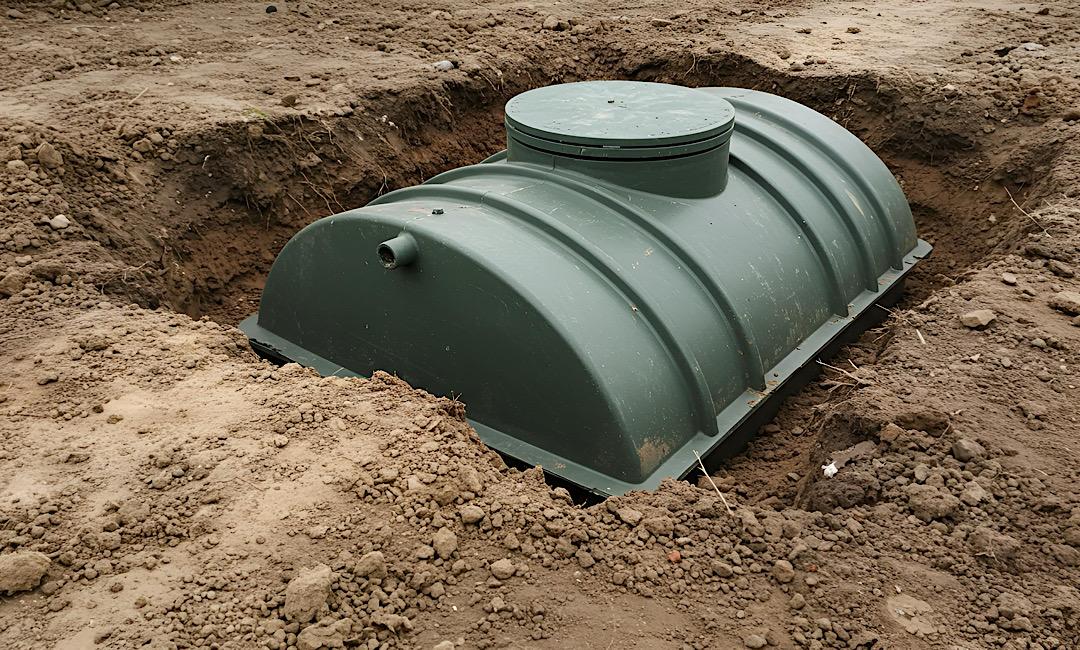
Excavation + installation: Tank excavation, trenching, bedding, drainfield excavation, distribution components, backfill, and compaction.
Site restoration: Final grading, topsoil management, and erosion control measures as needed.
What is often not included in quick online “averages” is the hard part: challenging access, rock, high groundwater, steep lots, imported sand/gravel, long pipe runs, or additional site work like clearing and grading to get the lot build-ready.

Typical septic cost ranges near Boise (realistic planning numbers)

For many homeowners in the Treasure Valley, a standard residential system often lands in a broad “mid to high” four-figure to low five-figure range once you account for design, permitting, excavation, materials, and inspections. If a property requires engineered solutions, extensive earthwork, or special distribution methods, the total can climb significantly.
Cost driver What changes the price What it means for your plan
Soils and perc results Slow percolation, shallow restrictive layers, or saturated conditions may require a different system type Budget for added design effort and potentially more complex install steps
System type Gravity vs pressure distribution; additional components like pumps, controls, alarms More components can mean more maintenance responsibility long-term
Excavation conditions Rock, tight access, steep terrain, deep cuts, wet ground Expect longer schedule windows and higher site-prep intensity
Setbacks and layout constraints Wells, waterways, property lines, buildings, driveways, easements May force longer pipe runs or move the build pad location
Replacement vs new build Demolition or abandonment of old components; limited space; landscaping disruption Replacement can be harder than first-time installs on open ground
If you are comparing properties, treat septic feasibility as a “buildability” question, not just a line item. A parcel that needs an engineered system or extensive earthwork can change your whole construction budget.

Step-by-step: how septic projects typically move from land to approved installation

1) Start with a build plan, not just a tank location

Your house footprint, driveway, shop, well location, and future additions all influence septic layout. A smart early step is mapping the “no-build” septic reserve area so future projects do not compromise the drainfield.

2) Complete site evaluation and soil/perc work

This determines what the soil can accept and how quickly. It is common for this step to reveal whether a conventional system is viable or whether you need a different distribution method.

3) Confirm permitting path and inspection checkpoints

In the Boise region, onsite sewage permitting and inspection are handled through the health district. The key takeaway for homeowners is simple: do not start septic excavation without a valid permit and an inspection plan.

4) Schedule utility locates before any trenching

Even rural properties can have buried power, telecom, gas, water services, or unknown lines from older improvements. Idaho’s dig-safety process requires contacting 811 ahead of excavation so utilities can be marked, and waiting for responses before digging.

5) Excavate, install, and hold grade until approvals are done

Good installers focus on proper bedding, correct elevations, clean material placement, and careful backfill and compaction. A rushed backfill can create settling, pipe stress, and long-term drainage issues.

6) Final grading and surface water control

One of the most overlooked “cost drivers” is water. Poor surface drainage can saturate a drainfield and shorten system life. Final grading and runoff management are not cosmetic, they protect performance.

Quick “Did you know?” facts that help homeowners avoid expensive mistakes

Did you know? “Call before you dig” is not just for big construction. Even small excavation can hit buried utilities, and Idaho’s 811 process is designed to reduce damage risk and liability.
Did you know? A drainfield is a treatment area, not just a place for water to go. Compaction, surface runoff, and driving heavy equipment over it can reduce soil’s ability to treat and disperse effluent.
Did you know? Septic replacement projects often cost more than new installs on open ground because access is tighter and there may be demolition, abandonment, or re-routing challenges.

Boise and Treasure Valley local angle: what to watch for on area properties

Boise-area parcels vary widely: foothill slopes, bench properties, and rural lots outside city sewer coverage can each create a different septic plan. Here are practical Boise and Treasure Valley considerations that affect cost and schedule:

Seasonal scheduling: Spring moisture can limit access and create soft subgrades. Late summer can be ideal for many excavation scopes, but it also tends to be busy.
Freeze-thaw awareness: Idaho’s freeze-thaw cycles are hard on concrete and grade control. Good compaction and drainage planning reduce settlement and surface water issues around the system.
Coordination with other site work: If you are also doing lot development, foundations, utility trenching, driveway/RV pad concrete, or demolition, sequencing matters. The best timelines are built around a complete site plan rather than isolated tasks.
Tip for land buyers: Before you close, ask what documentation exists (previous permits, as-built records, or inspection notes if the property already has a system). If you are building new, make sure your perc and design work matches your actual home plan and bedroom count.
Helpful pages from C3 Groundworks if you are coordinating a full build site:

Get a septic plan that matches your property, your build schedule, and your budget

C3 Groundworks helps homeowners and builders across Boise and the Treasure Valley coordinate excavation, site prep, and septic installation steps with clear communication and a safety-first approach. If you are trying to confirm septic viability on a land purchase, replace a failing system, or line up excavation timelines with inspections, we can help you map the next steps.
Request a Site Consultation

Prefer to research first? Visit our FAQs or see recent work in the Gallery.

FAQ: Septic system installation in Boise and surrounding areas

How long does a septic installation take once permits are in place?
Many installs can be completed in days, but the overall timeline depends on inspection scheduling, material lead times, weather, and whether additional site work is needed. Build your plan around a schedule window, not a single day.
What makes septic costs higher on one Boise-area lot than another?
The biggest factors are soil conditions, system type, excavation difficulty (rock, slope, access), required setbacks, and how far the system has to be placed from the home, well, or future structures.
Can I install septic first and build later?
Often yes, but it must align with the approved design and your future house plan. Installing before final house placement can backfire if the driveway, shop, or grading plan later conflicts with the drainfield or reserve area.
Do I need to call 811 if I am only trenching on my own land?
Yes. Utility locates are an essential safety step before excavation. Rural properties can still have buried lines, and public utilities may cross or serve the site.
Should I choose septic or connect to sewer if both are possible?
If sewer is available and feasible, it can simplify long-term responsibility, but it may require trenching, taps, and coordination with the local authority. If you are evaluating both, compare total project scope, not just “monthly bills vs septic.” C3 Groundworks can help you understand trenching routes and site impacts.

Glossary (plain-English septic terms)

Perc test (percolation test): A soil evaluation that helps determine how quickly water moves through the ground, which influences system design.
Drainfield (soil absorption area): The network of trenches or beds that disperses treated effluent into soil for final treatment.
Pressure distribution: A system that uses a pump to evenly distribute effluent through the drainfield, often used when soils or layout require more control.
Reserve area: Space kept available for a future replacement drainfield, protecting long-term property value and compliance.
Setback: Required minimum distance between septic components and features like wells, buildings, property lines, and water bodies.
Final grade: The finished slope and elevation of the ground surface designed to move water away from structures and sensitive areas like drainfields.

Accessibility Toolbar

Scroll to Top