
A practical field guide for homeowners, electricians, plumbers, and small GCs in the Treasure Valley
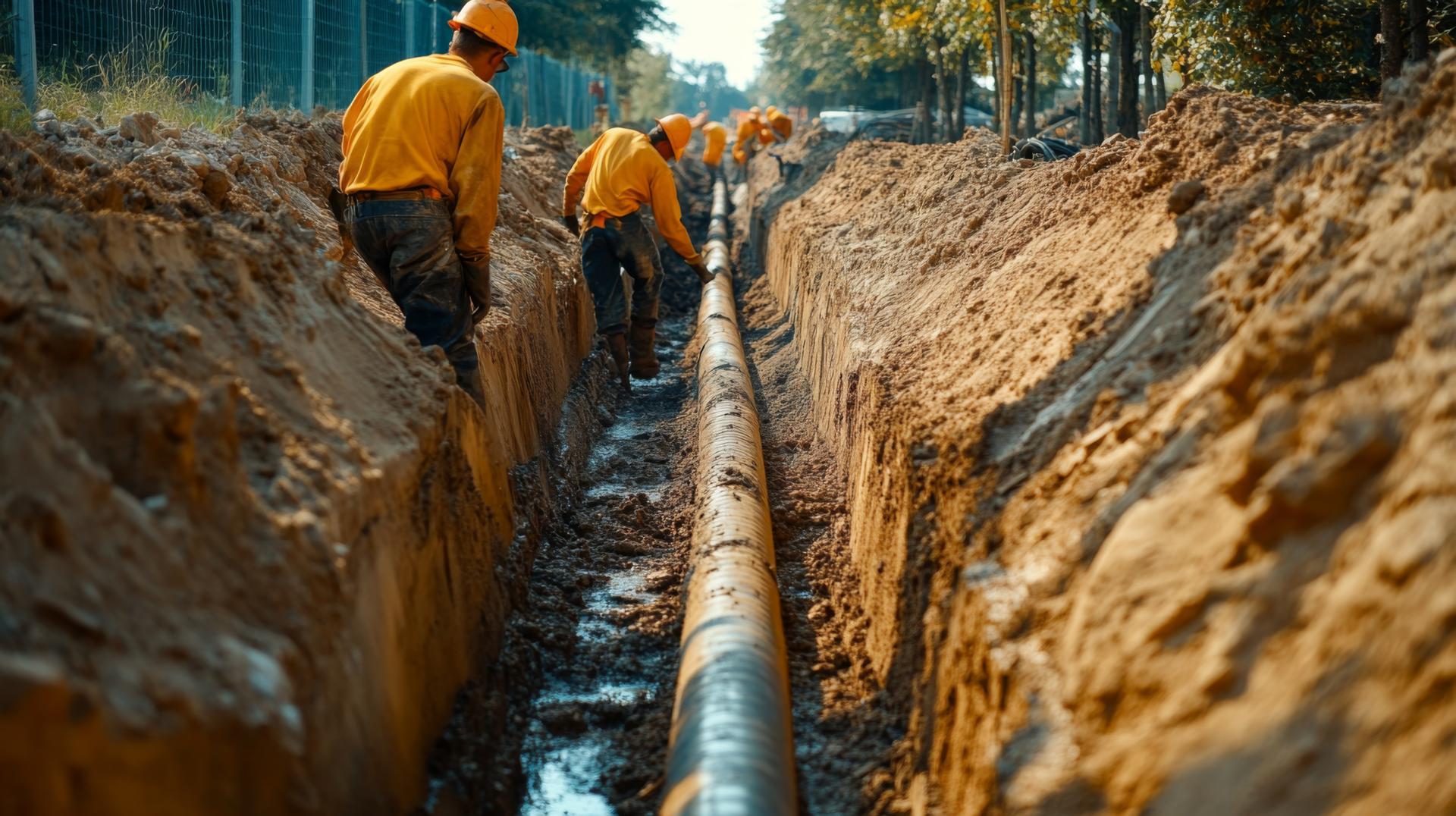
If you’re planning a shop, ADU, detached garage, or a new circuit to a backyard structure, electrical conduit trenching in Boise can become the schedule “gate” for your entire project. Depth requirements, freeze-thaw conditions, driveway crossings, existing utilities, and permitting all converge in one step—digging a trench that passes inspection the first time and doesn’t create future problems like heave, settling, or damaged lines.
Below is a contractor-minded breakdown of what matters most for electrical conduit trenching Boise projects: how depth is typically determined (and measured), how to avoid conflicts with existing utilities, how to plan around Boise-area frost conditions, and how to keep your timeline intact.
1) Start with the “why”: conduit trenching is about protection, not just code
A compliant trench is designed to protect conductors from physical damage (shovels, aerators, fence posts), surface loads (vehicles on driveways), and long-term movement (settlement and freeze-thaw). The goal isn’t simply “hit a depth”—it’s to create a reliable underground pathway that won’t need to be reworked when you’re trying to energize a building on a tight schedule.
2) Depth basics: what “cover” means (and how people measure it wrong)
Burial requirements are usually expressed as minimum cover: the vertical distance from finished grade down to the top of the conduit/cable. That’s different from “how deep you dug.” If you’re trenching 18 inches deep and placing a 2-inch conduit, you may end up short on cover once bedding, conduit diameter, and final grading are accounted for.
Field tip: Plan for a buffer (extra depth) so that minor grade adjustments, compaction, and bedding don’t put you under minimum cover when the inspector checks.
3) Typical NEC-based depth scenarios you’ll see in Boise projects
Electrical burial depth is driven by the wiring method (direct burial vs. conduit), voltage/amp constraints for limited exceptions, and surface use (yard vs. driveway/parking). Local amendments and inspector preferences can apply, so treat these as planning guidance and confirm with your Authority Having Jurisdiction (AHJ).
| Common install location | Typical minimum cover (planning) | Notes that affect inspections |
|---|---|---|
| Yard / landscaped areas (no vehicles) | Often 18″ cover for PVC conduit (typical NEC planning) | Measure to finished grade; keep sweeps gentle; use clean bedding/backfill to reduce conduit deformation and future settling. |
| Under a one/two-family dwelling driveway or dwelling-related parking | Often 18″ cover for many wiring methods (typical NEC planning) | Driveway crossings are where projects fail: compaction, depth, and conduit type matter. Many crews upgrade to heavier conduit (e.g., Schedule 80) where physical damage risk is higher. |
| Under public streets/alleys or areas subject to broader vehicular traffic | Often 24″ cover (planning) | These situations can trigger right-of-way permits, traffic control, and stricter requirements—plan early to avoid schedule hits. |
| Limited exceptions (example: small 120V/20A branch circuits with full GFCI protection) | Can allow reduced cover in some scenarios (planning only) | Exceptions are easy to misunderstand; inspectors may still require conservative depths depending on location and use. Confirm before you dig. |
For Boise homeowners planning a shop or ADU, the most common real-world layout includes: trench through yard, a driveway crossing (or future driveway path), and a final stub-up into the structure—each segment can change the required cover and protection method.
4) The schedule-maker: 811 locates, tolerance zones, and private utilities
Most trenching delays aren’t caused by the digging itself—they’re caused by utility coordination. In Idaho, excavators must provide notice through the one-number notification system (811) not less than two business days before excavation, and you shouldn’t dig until facilities have responded and are marked. Idaho law also expects excavators to maintain markings and recognizes a ticket life (with conditions) that can extend up to four consecutive weeks.
What 811 does (and doesn’t) do
811 helps coordinate marking for participating utility owners. But many properties also have private lines (for example, power to a shed, sprinkler lines, gas lines after the meter, or site lighting). Those may not be marked by 811 and often require a private locate. Treat “unmarked” as “unknown,” not “clear.”
5) Step-by-step: a trench plan that usually prevents rework
Step 1: Define the route with future use in mind
If a path might become a driveway later, treat it like a driveway now. This is a classic Boise-area mistake: trenching “yard depth” today and then pouring a wider driveway next season right over the line.
Step 2: White-line the dig area before calling 811
Pre-marking the excavation area (often called white-lining) makes locates faster and reduces “missed” sections because the locator can see your intended corridor.
Step 3: Confirm responses and keep the marks intact
Don’t assume “no paint” means “no lines.” Verify the ticket responses, then protect marks for the duration of work. If marks are destroyed or become unreadable, stop and request a remark—this is far cheaper than a utility strike and the resulting delays.
Step 4: Excavate with stable sidewalls and a clean bottom
A smooth, consistent trench bottom helps maintain even cover. In rocky areas around the Treasure Valley, consider bedding that reduces point loads on conduit, and avoid backfilling with sharp rock directly against the raceway.
Step 5: Plan transitions, stub-ups, and protection where conduit emerges
The last 10–20 feet into a building is where trenching meets structural and electrical requirements (sweeps, stub-up location, and protection from damage). Coordinating the trench layout with your electrician early keeps you from re-digging to hit panel or subpanel locations.
Step 6: Backfill and compaction matter as much as depth
Poor compaction can lead to settlement that reduces cover and creates low spots—especially noticeable across lawn areas and driveway edges. For driveways, compaction is critical to prevent future cracking and to keep the conduit protected.
6) Boise local angle: freeze-thaw, frost depth, and why it changes trench planning
Boise and the Treasure Valley see seasonal freeze-thaw that can move poorly compacted soils. While electrical codes focus on physical protection rather than frost protection, frost conditions still affect performance: settling after spring thaw can create depressions, and frost heave can stress conduits at transitions (like stub-ups and building penetrations).
Practical planning references commonly cite Boise/Treasure Valley frost depths in the rough range of about 24–36 inches, varying by exposure and year, so conservative compaction and stable trench construction pay dividends.
Project planning note: If you’re trenching for multiple utilities (power + water + communications), coordinate separations and elevations early. Water/sewer depths may be driven by frost and slope, while electrical depth is driven by cover and protection—one trench can’t always “make everyone happy” without a plan.
When it makes sense to hire a trenching contractor (even if your electrician does the wiring)
Many Boise projects run smoother when excavation and trenching are handled by a dedicated crew while the electrician focuses on conduit assembly, pull strings, conductors, terminations, and inspections. A trenching contractor can also coordinate around existing utilities, grade changes, and driveway/parking crossings so you’re not reworking the hardest part of the job.
CTA: Get trenching on the calendar without slowing down your build
If you’re coordinating electrical conduit trenching in Boise for a shop, ADU, service upgrade, or outbuilding, C3 Groundworks can help with route planning, safe excavation, and clean backfill/compaction so your electrician can keep moving toward a first-pass inspection.
FAQ: Electrical conduit trenching (Boise & Treasure Valley)
How early should I call 811 before trenching?
In Idaho, the excavator must give notice at least two business days before excavation (and not more than ten business days in many standard cases). Plan ahead—especially if your trench is a critical path item for your electrician and inspection schedule. Does 811 mark everything on my property?
Not always. 811 coordinates markings for participating utility owners; private lines (like power beyond certain points, irrigation, or non-utility communications) may require additional locating. If your plan depends on avoiding something underground, confirm what is and isn’t included.
What’s the biggest reason electrical trenches fail inspection?
The most common issues are: not meeting minimum cover after final grade, insufficient depth at driveway crossings, poor coordination at stub-ups, and trench routes that conflict with marked utilities. A pre-walk with the electrician (and a trench depth buffer) prevents most of these.
Is deeper always better for electrical conduit?
Deeper can add protection, but it can also increase spoil volume, complicate crossings, and create coordination issues with other utilities. The “right” approach is meeting code/AHJ requirements and building a stable trench with proper bedding, consistent cover, and solid compaction.
Should conduit depth change under a driveway or RV pad?
Often, yes. Driveways and parking areas can trigger stricter cover requirements and benefit from heavier conduit and better compaction practices to handle vehicle loads. Confirm the exact requirement with your electrician and local inspector before trenching.
Glossary (plain-English)
Cover
The vertical distance from the finished grade down to the top of the buried conduit or cable.
AHJ (Authority Having Jurisdiction)
Your local code enforcement authority (city/county inspector) interprets and enforces code requirements and any local amendments.
811 Locate / One-number notification
The system is used to notify utility owners before excavation, so underground facilities can be marked. In Idaho, notice timing and process requirements are defined in state law.
White-lining
Pre-marking your planned excavation route/area (often with white paint or flags) to guide utility locators and reduce confusion about where you intend to dig.