Erosion & Sediment Control Permits in Boise, Idaho: What Builders and Landowners Should Know Before Spring Site Prep

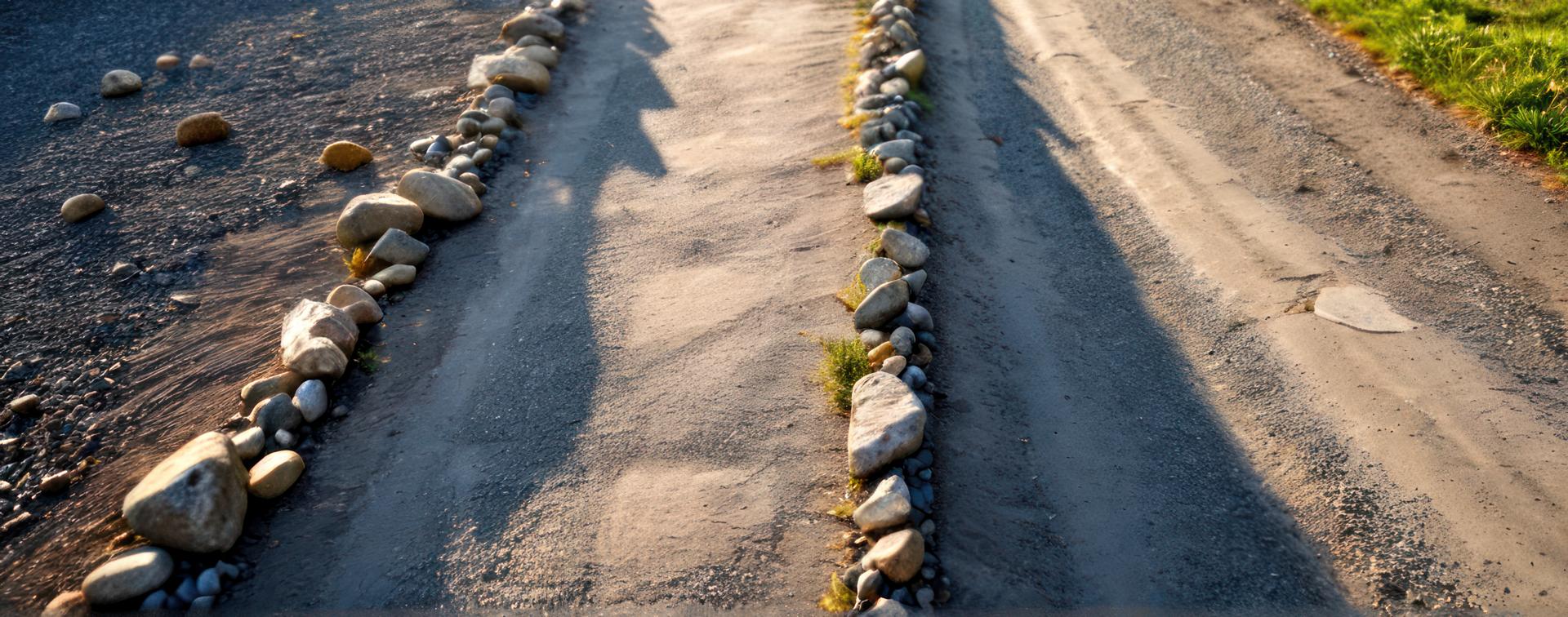
A dirt road with rocks in the middle of it

A practical guide to keeping dirt on your site—and your project on schedule

Spring in the Treasure Valley is prime time for clearing, grading, trenching, and getting pads ready for foundations. It’s also when wind and rain can move exposed soil fast—into streets, storm drains, and neighboring yards. That’s why many Boise-area projects require an erosion and sediment control (ESC) plan and, in certain situations, an ESC permit and/or stormwater permit coverage.

Below is a clear, field-ready breakdown of how erosion control permitting typically works around Boise, what triggers requirements, what inspectors look for, and how to reduce rework (and soil import/export headaches) with smart site prep.

Quick orientation: “Erosion” is soil leaving your site. “Sediment control” is how you capture soil that starts to move. In the Boise metro, enforcement can come from city programs (especially inside Boise city limits) and from state/federal stormwater rules when disturbance reaches regulated thresholds.

What is an “erosion and sediment control permit” in Boise?

In Boise, the city operates a construction site erosion control program and uses an ESC permit policy tied to the Boise City Code (Construction Site Erosion Control). Depending on the scope and location of your work, you may need to submit an ESC plan, obtain an ESC permit, and schedule inspections before (and during) soil disturbance. The City’s policies emphasize perimeter controls, sequencing, and inspection/verification as a site moves from clearing to rough grade to final stabilization.

If your work is outside Boise city limits (or in another Treasure Valley jurisdiction), requirements can differ—so it’s important to confirm which authority has jurisdiction at your address and what their submittal checklist requires.

When do you need a stormwater permit (NPDES / construction stormwater)?

Separate from local ESC permitting, federal stormwater rules commonly apply when a project disturbs 1 acre or more of land (and in many cases, less than 1 acre if it’s part of a larger “common plan of development”). Under EPA’s construction stormwater framework, regulated sites typically require permit coverage and a Stormwater Pollution Prevention Plan (SWPPP), plus routine inspections and documentation.

In Idaho, construction stormwater permit coverage is commonly managed through Idaho’s IPDES program, with public permit records accessible via the state’s e-permitting portal. On some sites (e.g., certain federal/tribal contexts), EPA Region 10 may be the permitting authority, but most projects fall under the state program.

Common site-prep activities that trigger ESC attention

Even small projects can draw enforcement if sediment leaves the property or enters the storm system. In the Treasure Valley, the most common “pressure points” are:

Clearing & grubbing: Removing vegetation exposes soil—especially on wind-prone lots.
Mass grading: Large open areas and long slopes increase runoff velocity and sediment transport.
Utility trenching: Stockpiled spoils + open trenches can wash out quickly in spring storms.
Demolition: Concrete/asphalt removal and disturbed subgrade create loose fines that track into streets.
Driveway approaches & ROW impacts: If you touch the public right-of-way, you may also need separate permits/approvals (often through the road authority).

Step-by-step: A permit-ready erosion control approach for Boise-area builds

1) Confirm jurisdiction before you move dirt

Boise city limits, Ada County, highway districts, and nearby cities can have different submittals and inspection expectations. Start by confirming the address jurisdiction and asking what triggers an ESC permit or plan review for your exact scope (clearing, grading, trenching, driveway, foundation excavation, etc.).

2) Estimate your disturbance area (and check the “common plan” issue)

Measure the area that will be disturbed—including material staging, access, and stockpile zones. If you’re part of a multi-lot or phased development, your “common plan” may push you into stormwater permitting even if one individual lot is under an acre.

3) Start with perimeter control—before excavation

The most expensive erosion-control mistakes are usually “sequence” mistakes—grading first and trying to install controls after ruts and runoff channels already exist. A cleaner approach is to install downslope perimeter protection and a stabilized entrance early, then open up the site in phases.

4) Manage stockpiles like mini-slopes

Spoil piles and imported base material are a frequent source of complaints because they’re easy to forget and hard to stabilize once weather hits. Place stockpiles away from curb lines and drainage paths, avoid steep sides where possible, and protect the toe of slope with controls appropriate to the site.

5) Keep water moving where you want it

Boise-area lots can see quick runoff during rain-on-snow and spring fronts. Plan temporary flow paths, protect concentrated flows, and avoid sending water across freshly graded pads. Temporary drainage is often the difference between “one pass” grading and repeated rework.

6) Document and maintain

Whether you’re under a city ESC program or stormwater permit coverage, maintenance and inspection documentation matters. Controls that are installed but not maintained (torn fabric, undermined wattles, clogged entrances) can still be treated as a failure if sediment leaves the site.
Did you know?

• Many construction stormwater requirements are triggered at 1 acre of disturbance—and can also apply to smaller areas if they’re part of a larger development plan.
• A “clean” site isn’t just neat—it’s easier to grade accurately and can reduce soil import/export surprises.
• Calling 811 before excavation is a must for safety and compliance when planning trenching, grading, or demolition impacts near utilities.

Permit-ready checklist (what inspectors commonly want to see)

Item Why it matters Common miss
Stabilized construction entrance Reduces tracking mud/sediment into streets and storm drains Entrance too short or not maintained; sediment still tracks
Perimeter controls installed first Catches sediment before it leaves the disturbed area Controls installed after grading (too late)
Stockpile protection Stockpiles are high-erosion features during wind/rain Pile placed near curb line or flow path
Concrete washout plan Prevents high-pH wash water from reaching storm drains/soil No designated washout location
Stabilization sequencing Reduces the time soil sits exposed Entire site opened at once; delays final stabilization
Note: Requirements vary by jurisdiction, site size, and proximity to waterways/drainage infrastructure. Always confirm your project’s exact submittal and inspection criteria.

Local Boise angle: why spring timing changes everything

Boise and the broader Treasure Valley often see fast-changing spring conditions—wind events, short heavy rains, and periods where the ground is still holding moisture. That combination can create:

Soft subgrades that rut and pump under equipment traffic
Unexpected runoff paths across newly cleared lots
Higher risk of sediment leaving the site before the project reaches compaction and base placement

A phased approach—clear only what you can stabilize, keep temporary drainage intentional, and coordinate excavation + utility trenching sequences—often reduces both schedule risk and soil handling costs (import/export and rework) without getting into “cheap shortcuts” that trigger corrections later.

How C3 Groundworks helps Boise-area projects stay permit-ready

C3 Groundworks is a locally owned excavation and site-prep contractor based in Meridian, serving residential and commercial projects across the Treasure Valley. Our team supports efficient, clean site preparation—clearing and grading, excavation, utility trenching, demolition, retaining walls, and foundation-ready pads—while keeping erosion control sequencing in mind so projects can move forward with fewer surprises.

Explore related services:

Site Clearing & Grading (pad prep, rough/final grade, topsoil management)
Utility Trenching (clean trench lines, backfill coordination)
Demolition Services (safe, controlled removal to start fresh)
Lot Development (build-ready land with coordinated sequencing)

Ready to prep your site the right way?

If you’re planning spring clearing, grading, trenching, demolition, or foundation excavation in Boise or the Treasure Valley, we can help you plan a clean sequence that protects drainage paths, reduces rework, and supports permit compliance.

FAQ: Erosion and sediment control permits in Boise

Do I need an erosion control permit for a single residential lot in Boise?

Often, Boise requires erosion and sediment controls for construction activity, and depending on your exact scope and location, an ESC permit and plan review may be required. The safest first step is to confirm your project address jurisdiction and ask what thresholds apply to your permit type and disturbance area.

What’s the difference between a SWPPP and an ESC plan?

An ESC plan is typically a local plan showing erosion and sediment BMPs (controls) and sequencing. A SWPPP is a stormwater compliance document required under construction stormwater permit coverage for regulated sites, typically addressing BMPs, inspections, maintenance, and documentation.

If I’m disturbing less than 1 acre, can I ignore stormwater rules?

Not always. If your work is part of a larger “common plan of development,” stormwater permit coverage can still be required. Also, even small sites can face enforcement if sediment leaves the property or enters storm drains.

What are the most common erosion control failures during excavation and trenching?

Typical issues include: no stabilized entrance, perimeter controls installed too late, stockpiles placed in flow paths, trench spoils washing into streets, and poor temporary drainage routing during spring storms.

Can good grading reduce erosion control headaches?

Yes. Clean grading that avoids unintended low spots, keeps water routed where planned, and stabilizes work areas in phases reduces muddy failures, rework, and the chance of sediment leaving the site.

Glossary 

BMPs (Best Management Practices): Practical measures used to prevent pollution—like controlling sediment, managing washout, and stabilizing soils.
Common Plan of Development: A larger project broken into phases or lots where stormwater requirements may apply to each part, even if one lot is under an acre.
Disturbance (land disturbance): Any clearing, grading, excavation, or soil exposure caused by construction activity.
ESC (Erosion & Sediment Control): The plan and field measures that prevent soil from leaving a construction site and entering drainage systems.
NPDES / IPDES: National (and Idaho) permitting programs that regulate stormwater discharges, including from construction sites.
SWPPP (Stormwater Pollution Prevention Plan): A required compliance document for many regulated sites describing controls, inspections, maintenance, and recordkeeping.
Stabilization: Protecting exposed soils (temporary or permanent) so they resist erosion—often via mulch, seeding, erosion control blankets, base rock, or pavement, depending on the area and phase.

Accessibility Toolbar

Scroll to Top