A practical guide for homeowners, landowners, and builders in the Treasure Valley
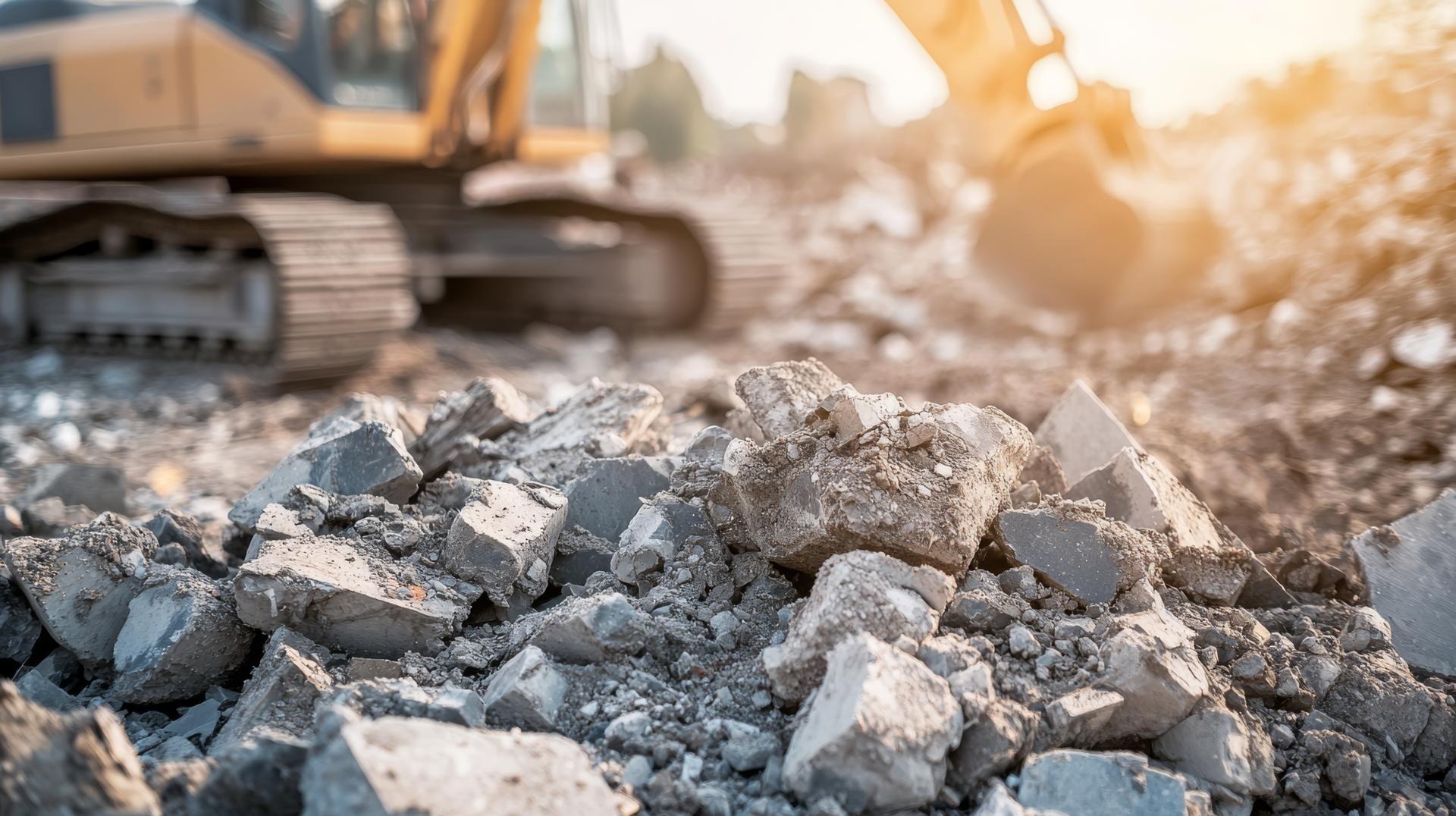
Rock in the ground can be a small speed bump—or the reason a project loses weeks. In the Boise area, it’s not unusual to encounter hard layers, cobbles, or basalt as soon as you start cutting for utilities, footings, drainage, or a building pad. The good news: rock excavation doesn’t have to derail your spring build. With the right planning, equipment, and sequencing, you can keep soil export/import under control, avoid drainage surprises, and stay aligned with permitting and inspections.
Focus keyword
Rock excavation Boise (what impacts schedule, permitting, and earthwork efficiency)
Why rock changes the plan (even on “simple” site prep)
Rock excavation isn’t just “harder digging.” It affects almost every downstream step: trench depth and slope, footing over-excavation, compaction strategy, drainage elevations, and how much material you’ll need to import or export. In the Treasure Valley, subsurface conditions can vary a lot from one lot to the next—especially near benches, foothill edges, older river deposits, and areas influenced by basalt formations and mixed alluvial materials. Treasure Valley hydrogeologic references commonly describe coarse-grained fluvial/alluvial deposits and basalt units as part of the framework, which aligns with what many contractors observe in the field during excavation.
Common “rock-related” disruptions:
• Utility trenching slows down: Hard layers can require different tooling, shallower passes, or re-sequencing to avoid undermining existing lines.
• Over-excavation becomes necessary: You may need to remove fractured rock and replace with compactable base to achieve a stable subgrade for slabs, driveways, and RV pads.
• Drainage elevations get tight: If you can’t achieve planned depths, you may need to adjust pipe routing, add cleanouts, or rethink discharge points.
• Haul-off and import balancing gets harder: Rock fragments don’t “compact like soil,” and they can change truck counts and staging needs.
Rock excavation methods used around Boise (and when each makes sense)
Choosing the right approach is about precision, vibration control, access, and what the next trade needs. A residential lot might need careful excavation around existing utilities and neighboring foundations, while a rural build may prioritize production and material management.
1) Mechanical excavation (bucket + rock teeth)
Best for mixed soils with cobbles, fractured layers, and “rippable” material. It’s typically the fastest, least disruptive option when it works. Expect production to drop as rock becomes more continuous.
2) Hydraulic breaker (hammer)
A breaker is commonly used when you hit harder basalt or thick rock lenses. It’s effective but slower and noisier, and it can impact scheduling (for example, trenching first vs. pad cuts first). It’s also useful for selective removal—like achieving grade at a footing or setting a retaining wall base.
3) Rock sawing or specialty attachments (site-dependent)
In tighter areas or where neat edges matter, specialty tooling can reduce over-break and improve trench or edge control. Access, staging, and nearby improvements usually determine feasibility.
Step-by-step: How to prepare for rock excavation (without blowing up your timeline)
Step 1: Confirm utilities early—and understand what “marked” really means
Before any excavation, coordinate utility locates and confirm the scope. Public locating services commonly mark member utilities within specific limits, but private lines (for example, past a meter or to outbuildings) may require additional locating. Treat markings as a starting point and build safety buffers into the dig plan—especially if you’ll be hammering rock.
Step 2: Decide what “finished” means for your pad, driveway, or trench
Rock excavation often triggers a choice: keep removing material until you hit design elevations, or modify the plan (within code and engineering requirements) to reduce removal. For budget-focused builds, the key is preventing rework—especially under foundations, footings, slabs, and driveways, where subgrade quality is non-negotiable.
Step 3: Plan for material segregation (topsoil, suitable fill, rock)
If you’re trying to reduce import/export, separation matters. Strip and stockpile topsoil (if you’ll reuse it), isolate clean fill, and stage rock so it doesn’t contaminate base material. A clean site is easier to compact, easier to inspect, and easier to keep draining correctly after rain.
Step 4: Keep erosion control and permitting in the same conversation as earthwork
If your project disturbs 1 acre or more (or is part of a larger common plan), Idaho DEQ typically requires coverage under the IPDES Construction General Permit and erosion/sediment controls with inspections. That requirement includes clearing, grading, and excavation activities.
Did you know? Quick facts that help avoid rework
Rock can “look stable” and still be a problem under concrete. Fractured layers can shift, leaving voids that lead to settlement and cracking if not addressed with proper sub-base prep and compaction.
Erosion control isn’t only for big developments. Even smaller sites can be required to manage sediment and protect storm drains and adjacent properties, depending on jurisdiction and scope.
Sequencing matters. If you’re doing septic, utilities, and foundations, the order of operations can reduce double-handling of material and keep trenches from collapsing or filling with runoff.
Helpful comparison: What changes when rock is present?
| Site Prep Item | Typical Approach (no significant rock) | When Rock Excavation Is Needed |
|---|---|---|
| Utility trenching | Consistent depth/slope with standard bucket or trencher | Breaker time, tighter control around lines, possible reroutes or depth adjustments |
| Pad grading | Cut/fill balance with compactable native soils | Over-excavate fractured rock, import base, more testing/compaction attention |
| Drainage | Easy to hit pipe elevations and swale grades | Elevation constraints can push design tweaks and stricter line/grade control |
| Schedule risk | More predictable production | More variability—weather + access + tooling can shift daily output |
| Budget planning | Standard earthwork allowances | Plan for contingency; Boise-area equipment, trucking, and materials reflect 2026 labor/fuel realities |
Local angle: Boise & Treasure Valley tips that pay off in spring builds
Spring site work in Boise often means managing wet windows between storms and staying ahead of runoff. If you’re grading, trenching, or clearing, erosion and sediment controls should be ready before the big cuts start—especially if the project is near a ditch, swale, or storm conveyance path. Idaho DEQ’s construction stormwater program ties permitting to disturbed acreage, and projects covered under the construction general permit require inspections by qualified personnel.
Practical sequencing for rural landowners and builders
• Clear and rough-grade first (establish access and drainage flow paths), then utilities and septic, then final pad grading and compaction, and finish with concrete foundations/slabs or flatwork. This order reduces re-handling, helps keep trenches from turning into water channels, and makes it easier to keep a clean sub-base for concrete.
If your project includes street or right-of-way work (like some water/sewer connections), your excavation plan may also need to align with local encroachment requirements and restoration standards. Those details vary by jurisdiction and should be confirmed before mobilization.
Related services (when rock is only one piece of the puzzle)
Rock rarely shows up alone—many Boise-area projects combine excavation with grading, trenching, drainage, demolition, or concrete work. If you’re planning a complete site package, these pages can help you map the scope:
Foundation digs, drainage solutions, utility corridors, and safety-first excavation practices.
Code-compliant trenching for water, sewer, gas, electrical conduit, telecom, and irrigation.
Engineered concrete foundations and footings are designed to meet local conditions and codes.
Rough/final grading, topsoil management, pad grading, and erosion control planning.
From evaluation and permitting coordination through drain-field construction.
Controlled light-to-medium demolition to clear sites safely and efficiently.
Want to see completed work types and site conditions? Visit the project gallery.
Talk to a local crew before you mobilize equipment
If you’re planning rock excavation in Boise—for utilities, pads, septic, drainage, or foundations—getting eyes on the site early is one of the best ways to avoid production surprises and unnecessary import/export. C3 Groundworks is licensed, bonded, and insured, and serves Meridian, Boise, and the wider Treasure Valley with excavation and site-prep services built around clear communication and dependable scheduling.
Request a Site Walk & Scope Review
Tip: If you have a plot plan, drainage notes, utility info, or a septic design, include it when you reach out—those details help tighten the plan and reduce rework.
FAQ: Rock excavation near Boise
How do I know if my lot has basalt or “significant rock” before excavation starts?
Nearby build history helps (neighbors, subdivisions, bench areas), but the only sure way is to expose the subgrade—often via test holes or early cuts in planned excavation areas. A site walk can also identify surface clues like outcrops, rock fragments, and grade breaks.
Will rock excavation affect my foundation or slab schedule?
It can. Breaking rock and then rebuilding subgrade correctly (base placement, compaction, moisture control) may add steps before concrete can be formed and poured. Planning the sequence—utilities, drainage, pad prep—reduces lost time.
Do I need a stormwater permit for grading and excavation in Idaho?
If your project disturbs 1 acre or more (or is part of a larger common plan of development), Idaho DEQ’s IPDES Construction General Permit is commonly required, along with erosion/sediment controls and inspections. Always confirm requirements for your specific site and jurisdiction.
Can rock be reused on-site to reduce export/import?
Sometimes, depending on size, gradation, and where it will be placed. Large fractured rock typically isn’t suitable as a finished sub-base under slabs without processing and proper placement. A contractor can advise on practical reuse options such as stabilization zones, landscape features, or staged areas (when appropriate).
What’s the biggest mistake people make with rock excavation?
Starting excavation without a clear plan for drainage, utility conflicts, and material staging. When rock shows up, improvising can cause over-excavation, rework, and compaction issues that surface later as settlement or water problems.
Looking for more common questions about scheduling, prep, and process? Visit C3 Groundworks FAQs.
Glossary
Basalt
A hard volcanic rock common in parts of southern Idaho; it can require a breaker or specialized tooling to remove.
Subgrade
The soil or prepared surface beneath a slab, driveway, or foundation must be stable and properly compacted.
Over-excavation
Removing extra material below design grade so unsuitable material (soft soil, fractured rock, organics) can be replaced with proper base and compacted fill.
IPDES / CGP
Idaho’s Pollutant Discharge Elimination System Construction General Permit—stormwater coverage is often required for construction sites disturbing 1 acre or more (or part of a larger common plan).
BMPs (Best Management Practices)
Standard erosion, sediment, and pollution-prevention measures are used to keep soil and debris from leaving the site during construction.
Learn more about the team behind the work on the About C3 Groundworks page.