A clear, step-by-step guide for homeowners and land buyers deciding between sewer access and septic
If you are building on a new lot, adding an ADU, or replacing an aging wastewater setup in the Treasure Valley, the biggest early question is often simple: can this property connect to public sewer, and if so, what does the sewer tap process look like?
A sewer tap installation is not only “a trench and a pipe.” In Boise, it is typically a coordinated sequence that can involve public right-of-way rules, licensed trade requirements, utility locates, inspections, restoration, and city-specific specifications for how the connection is made. This page breaks down how the process usually works in Boise, Idaho, and how C3 Groundworks supports projects where excavation and site-prep need to line up with permits and schedules.
What “sewer tap installation” means (in plain language)
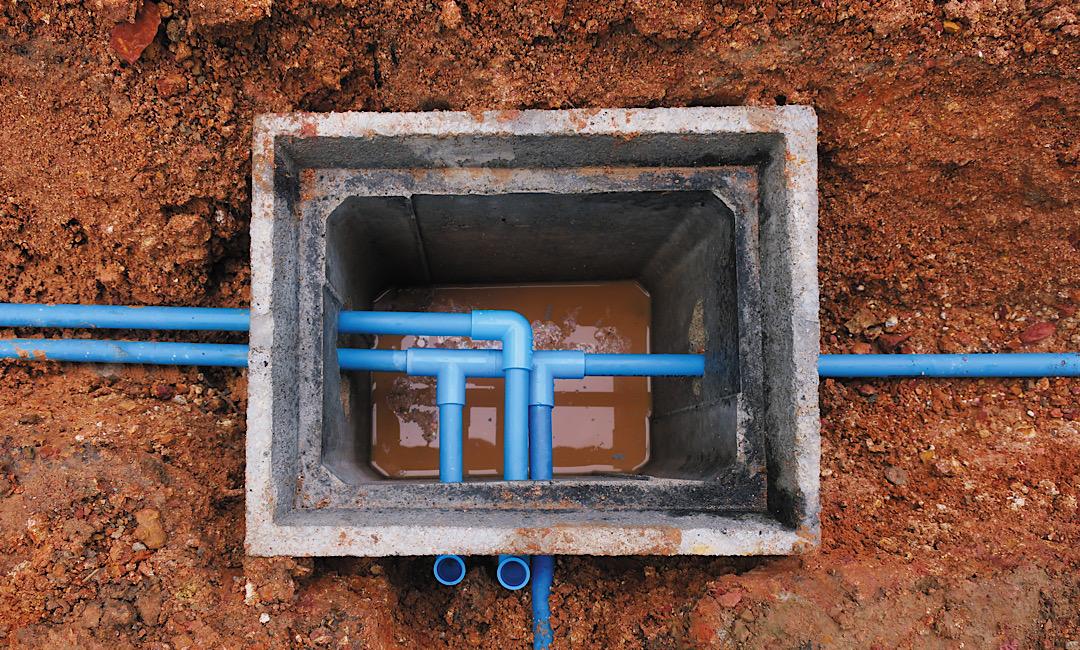
In most residential scenarios, “sewer tap installation” refers to creating an approved connection from your property’s private sewer line (often called a side sewer or sewer service line) to the public sanitary sewer system. Depending on your location, the work can include:
- Verifying a nearby public sewer main is available and connectable
- Installing or replacing the private side sewer from the building to the right-of-way
- Permitting for any work in the public right-of-way (sidewalk, street, curb, alley)
- Making the actual connection to the City system (the “tap”)
- Testing, inspection, and backfill
- Surface restoration (compaction, gravel/base, concrete/asphalt patching, landscaping repair)
Boise specifically notes that work in the public right-of-way for sewer service line connections typically requires a Public Works sewer tap permit. Also, the City’s code limits who is authorized to make the actual tap-in to the Boise City sewer (licensed plumbing contractors or properly licensed public works contractors). That is why successful projects start with scope clarity early, before anyone mobilizes equipment.
The typical sewer tap process in Boise (step-by-step)
| Phase | What happens | Common pitfalls to avoid |
|---|---|---|
| 1) Feasibility check | Confirm whether the parcel can connect to public sewer, where the main is, and whether the route is practical (depth, slope, obstructions, crossing ROW). | Assuming sewer is “close enough.” A main across the street or down the block can change complexity quickly. |
| 2) Permits and coordination | Prepare the permit package(s), align with inspection windows, and coordinate any right-of-way requirements when the route touches sidewalk, curb, alley, or street. | Trenching before the permit is issued, or missing a ROW permit when work extends into public space. |
| 3) Utility locates | Locate existing underground utilities (gas, power, telecom, irrigation, existing water/sewer). Adjust alignment and depth to maintain separation and safety. | Relying on “as-builts” alone. In older neighborhoods, actual conditions can differ. |
| 4) Excavation and bedding | Excavate to design grade, prepare a stable trench bottom, place bedding material, and set pipe with proper slope. | Under-compaction and poor bedding, which can lead to settlement, sags, and future backups. |
| 5) Connection (“tap”) | The authorized party makes the approved connection to the public sewer (method depends on City specs and site conditions). | Using the wrong connection detail or proceeding without the correct licensed trade on-site. |
| 6) Inspection, backfill, restoration | Inspection(s), then backfill in lifts with compaction. Restore gravel, concrete, asphalt, and/or landscaping per jurisdiction requirements. | Skipping compaction documentation or rushing restoration in freeze-thaw season. |
Timeline expectations: For many Boise-area residential projects, the on-site excavation and connection work can be quick once permits and inspections are lined up, but the overall schedule is often driven by coordination and inspection timing. Planning early helps avoid holding up foundation, flatwork, or landscaping phases later.
Sewer vs. septic for Boise-area properties: how to decide early
Many rural and edge-of-city parcels around Boise, Meridian, Kuna, Star, and Eagle fall into a gray area: public sewer might be “nearby,” but not practically connectable without major route constraints. When sewer is uncertain, septic becomes the parallel path worth evaluating early, especially before you finalize a home site location, driveway alignment, or grading plan.
| Decision factor | Sewer connection tends to win when… | Septic tends to win when… |
|---|---|---|
| Distance and route | The main is accessible without long runs or complicated crossings. | The main is far, deep, across major ROW, or blocked by constraints. |
| Soils and site area | Lot is tight and you want to preserve buildable area. | Lot has space for drainfield placement and setbacks. |
| Permitting and scheduling | You can line up City requirements and inspection windows cleanly. | Septic evaluation and permit path is clearer for your parcel type. |
| Long-term maintenance | You prefer fewer on-site components to service. | You are comfortable with periodic pumping and protecting the drainfield area. |
Idaho’s DEQ provides statewide oversight and rules for onsite wastewater systems, including permit and installer requirements. If your property is not served by public sewer, a septic system is often viable, but it should be approached as an engineered part of your site plan, not an afterthought.
Quick “Did you know?” facts that help prevent rework
Boise local angle: why right-of-way coordination matters in the Treasure Valley
In Boise and across the Treasure Valley, lots vary widely. Some neighborhoods have alleys, some have tight side yards, and many rural-to-suburban properties have longer runs from the home site to the nearest utility corridor. If your sewer lateral has to cross or occupy public right-of-way, you may also need to coordinate with the road authority for Ada County (commonly through the Ada County Highway District permitting process) before final restoration can be approved.
The best way to prevent delays is to treat the sewer connection as a site logistics project as much as a plumbing project. That means aligning trench route, surface restoration (concrete, asphalt, gravel), and inspection windows with the rest of your build schedule, especially if you are also planning foundation excavation, grading, or driveway concrete soon after.
Talk to C3 Groundworks about sewer tap excavation and coordination
If you are searching for sewer tap installation in Boise, the fastest way to reduce surprises is to map the trench route, confirm feasibility, and coordinate permitting and inspection timing before equipment shows up. C3 Groundworks is licensed, bonded, and insured, and we handle excavation and site-prep work with transparent communication and safety-first practices.